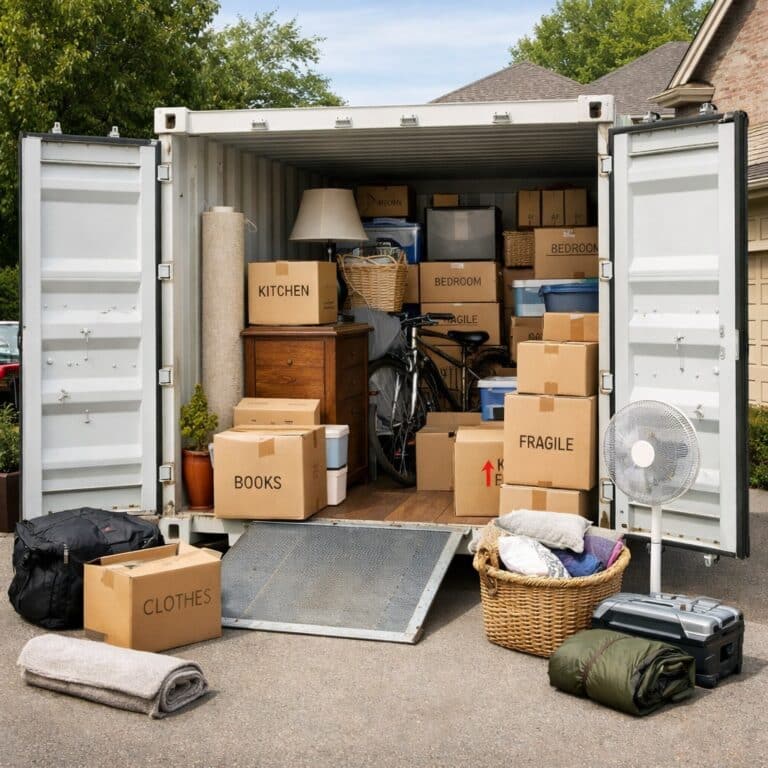
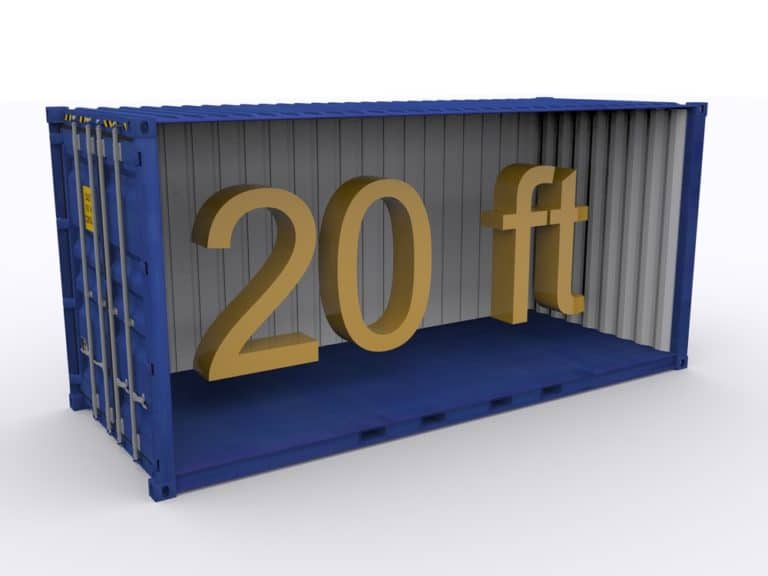
Packing a shipping container seems simple enough. Yet, if you don’t pack it well, you may find yourself in a tough spot when you want to retrieve something, discover damaged goods on moving day or run out of space altogether. Whether you’re relocating, renovating, storing business inventory, or preparing for off-site container storage at your Gold Coast property, knowing how to pack a shipping container properly will help protect your belongings and save you time, space, and stress.
Here’s your complete, practical guide to packing a shipping container like a pro from Gold Coast Containers. We’ve included the most useful tips, such as how to arrange furniture, load fragile pieces, prevent damage during transit and storage, and where to place heavy items.
1. Start With a Packing Plan (Don’t Skip This!)
Before you start loading anything, spend a few minutes planning how you’ll use the space. It makes the whole process smoother and prevents the frustration of having to unload and rearrange things later.
- Declutter first to reduce what you need to store and free up valuable space.
- Group items by room or category so you know what belongs together.
- Create a rough loading order with heavy items first and fragile pieces last.
- Gather all your packing materials (boxes, blankets, wrap, straps and moisture absorbers) beforehand, so you’re not hunting for things mid-pack.
2. Load Heavy Items First to Keep Weight Balanced
The way you load the base layer sets the tone for everything above it. Randomly placing heavy items can cause shifting, crushed boxes or a container that’s difficult to secure.
Place heavy items at the bottom
To make the packing process easier for yourself, start by loading the heaviest pieces first for a strong, steady base to work from. This way, lighter items are less likely to be crushed or move around later.
Distribute Weight Evenly
Instead of clustering all the heavy items in one corner, spread them across the width of the container. A balanced base makes stacking much easier and stops the load from leaning during transport.
Load Heavier Items Towards the Fixed End
If possible, load the heaviest items near the end opposite the doors. It helps stabilise the container and makes it safer when you open it.
3. How to Pack Furniture in a Shipping Container
Furniture often takes up the most space, so it makes sense to sort it out early. A few small steps at this stage can make the rest of your packing a whole lot easier.
Disassemble What You Can
Remove shelves, legs and detachable parts to make each piece easier to handle and more secure once loaded.
Wrap & Protect
- Use moving blankets or bubble wrap on surfaces that scratch easily.
- Add corner guards to protect edges from bumps.
- Reduce dust and moisture by wrapping fabric couches and chairs in plastic film.
Load Smartly
- Stack tall or narrow furniture (like bookshelves, cabinets and wardrobes) against the container walls so they’re supported.
- Couches can stand upright briefly while you create space, but for long-term storage, they must sit flat on their base to avoid damaging the structure, upholstery or foam.
- Mattresses can also stand upright during loading, but should lie flat for storage. Gold Coast Containers has a full mattress care guide if you want more details.
4. How to Pack Whitegoods Appliances
Whitegoods require a little extra care because they’re heavy, awkward and sensitive to movement. Always switch them off, unplug them and give yourself time to prepare them properly. Refrigerators and freezers should be kept upright during transport and allowed to sit before being switched back on so the compressor oil and refrigerant can settle.
Fridges & Freezers
- Empty and clean thoroughly so mould and odours can’t develop during storage.
- Leave the doors slightly open if storing them long-term to encourage airflow.
- Always transport them upright to avoid internal damage.
Washing Machines & Dishwashers
- Drain and completely dry them so no water leaks inside the container.
- Secure internal drums with transit bolts so they can’t wobble and damage the motor.
- Tape hoses to the exterior so they don’t get crushed, lost or caught on other items.
Keep Everything Stable
Once inside the container, strap all appliances firmly to the anchor points.
5. How to Pack Boxes in a Shipping Container
Boxes fill the remaining space, so pack them neatly to maximise room and make later access easier.
Use Strong Boxes
Avoid soft or worn cardboard. Proper moving boxes hold their shape and protect what’s inside.
Stack Properly
- Place heavy boxes at the base and lighter or fragile ones on top.
- Fill gaps between boxes with soft materials like linen or towels to prevent shifting.
- Clearly label your boxes, as it makes life much easier when you need to find something later.
Do You Need Pallets?
Not usually for home storage, but they’re handy for business stock or if you expect to unload the container more than once.
6. How to Pack Fragile Items Safely
Fragile belongings need extra attention so they survive storage or transport without damage.
Glassware & Ceramics
- Wrap each item individually and use dividers where possible.
- Fill empty space inside boxes to prevent rattling — the main cause of chips and cracks.
Mirrors & Artwork
- Wrap in bubble wrap and reinforce edges with cardboard.
- Always store mirrors and glass panels upright. They’re far more stable this way.
Antiques & Collectibles
Fragile or sentimental pieces are best packed in breathable, protective materials. Gold Coast Containers has a detailed article on storing antiques in our blog section if you’d like more information.
- Wrap books in archival paper to protect ageing pages.
- Store antique clothing in padded, breathable coverings.
- Use acid-free boxes for delicate fabrics and small items.
- Wrap antique furniture in blankets (not plastic to avoid mould) and avoid stacking.
- Cushion jewellery separately so pieces don’t scratch or tangle.
Pro Tip: Storing Vehicles
If you’re storing a car alongside household goods — whether it’s a vintage model or your everyday vehicle — prepare it carefully.
Service it first, clean and dry it thoroughly, use a breathable cover to protect the interior, disconnect the battery, and block exhausts and vents to deter pests.
For a full breakdown of vehicle storage tips, see our blog, The Ultimate Guide to Long-Term Vehicle Storage.
7. Secure, Ventilate & Double-Check: Final Steps Before Locking Your Container
Before you close the doors, take a moment to make sure everything is safe, stable and ready for storage.
Secure With Straps
Use ratchet tie-down straps to hold tall or heavy items in place. Make sure you’ve spread the straps evenly across several anchor points so no single point carries all the pressure.
Allow for Airflow
Good airflow helps prevent mould, especially in Queensland’s humid climate. Leave a small space near the door, use moisture absorbers, and avoid pressing items tightly against the walls. You can fill small pockets with cushions or bedding to prevent movement without blocking ventilation.
Quick Final Checklist
- Weight is balanced across the floor
- Fragile items are cushioned and protected
- Appliances are upright and secure
- No loose items that could move around
- Straps are tightened and held firmly
- Boxes are sealed and clearly labelled
If you’re using Gold Coast Containers’ off-site storage, the team can pick up your loaded container and store it securely at the Tweed facility.
8. What You Should NEVER Pack in a Shipping Container
A few items are always off-limits:
- Petrol, paint thinners or flammables – fire risk
- Gas bottles – even empty ones can leak
- Perishables – attract pests and cause odours
- Soil or plants – bring in moisture and insects
- Hazardous or illegal items – unsafe and prohibited
By keeping these out, you protect your belongings and everyone handling the container.
Ready to Pack Like a Pro?
With the right approach, packing a shipping container is simple and stress-free. Gold Coast Containers offers watertight, windtight and vermin-proof units, clean and well-maintained, with both on-site and off-site storage available and 24/7 electronically coded access. For flexible, reliable, secure storage on the Gold Coast, call our friendly family-run team on 0422 294 313.