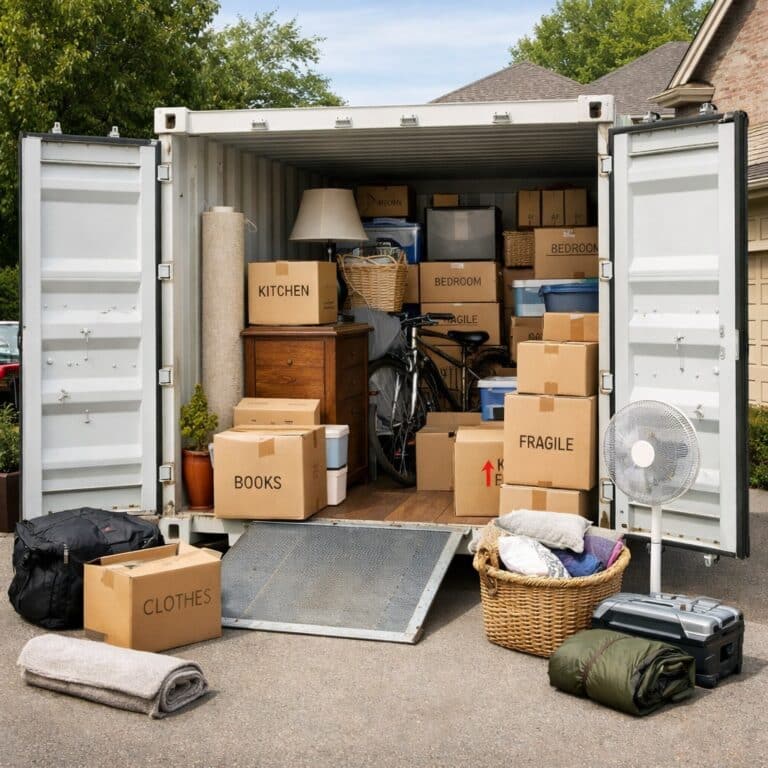
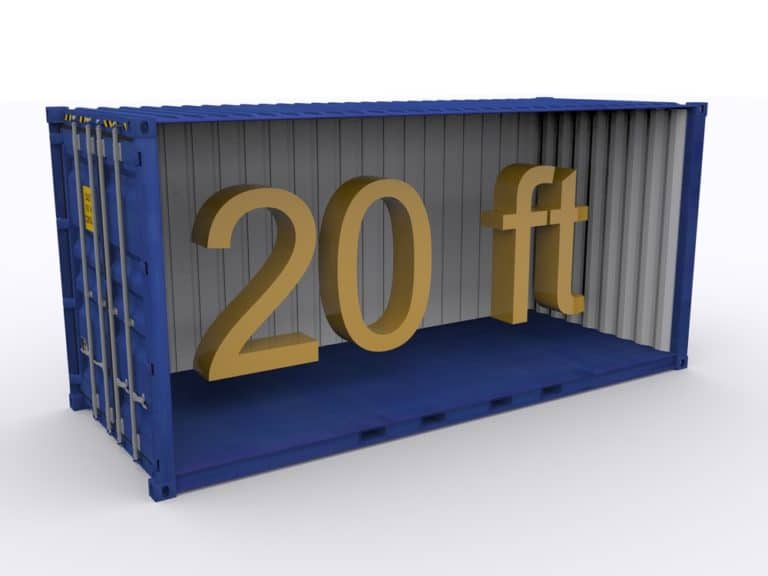
You can store furniture in various ways, and one convenient solution is to store it in a shipping container. Shipping containers are robust in construction and can provide a large amount of storage space. (At Gold Coast Containers, we have three size options – 8FT, 10FT and 20FT. If you’re unsure about which one to choose, here are some tips on how to choose a storage unit size).
Storage units are also secure and clean and can protect your furniture from the elements, whether it’s on-site at your Gold Coast property or off-site at our Tweed Heads facility. Here is a guide on how to store furniture in a shipping container.
Benefits of shipping containers
There are a host of reasons why shipping containers are better storage solutions, including:
- Watertight. Shipping containers have fully intact rubber seals that will keep out torrential rain.
- Wind-tight. Your furniture will be protected against extremely high winds.
- Transportable. Containers are easy to transport so you can move contents without repacking.
- Cost. The cost per square foot is usually much lower than a storage unit.
- Secure. They are highly secure due to their steel construction.
- Clean. Shipping containers are clean and in excellent condition.
- Vermin-proof. Rats and mice aren’t a problem, so items remain bite-free and unspoiled by faeces.
- Well-ventilated. Shipping containers include at least two vents (some even have up to six) to maintain airflow and prevent mould from building up.
How to store furniture off-site
Shipping containers are ideal storage options for both domestic and commercial applications. You may be moving house or offices and need a short-term solution, or you may make a living selling furniture. All of these require a sturdy, secure and conveniently located space so you can access your furniture at a time that suits you.
How to store furniture on your property
When it comes to home storage, a shipping container is an ideal solution if you are renovating or downsizing and need a reliable form of storage. Are you wondering how to store furniture between moves? Shipping containers are a great option if you need temporary self-storage until you’re settled. You’ll have extra piece of mind knowing your furniture is close by, and items can be removed and added when you need them from the convenience of your backyard!
How to store furniture long term
A vital element of how to store furniture is making the space work for you and packing it safely and efficiently. Unlike storage boxes, furniture doesn’t necessarily fit neatly into spaces evenly, but there are a few things you can do to enhance the process.
- Think about the layout. To make the space work for you, it’s essential to think carefully about the layout of your shipping container.
- Create an inventory. Before starting to fill the container, create an inventory. This is a detailed list of items that corresponds to a map of where they are in the container. Keep a copy with you and one in a safe place in the unit.
- Big items vs. small items. In most cases, you should store the bulkiest and heaviest items at the back of the container and smaller items at the front.
- Access. Ensure you have an access route through the container so you can easily reach items at the back. Another tip is to put items you think you’ll need earlier at the front of the container.
- Use its height. A shipping container’s capacity is measured by length and width, as well as height. Placing furniture sidewise will maximise the vertical space. Storage racks are also ideal for smaller pieces of furniture.
- Dismantle furniture where possible. Dismantling furniture often means it will become less bulky and occupy less space. As a result, it will be easier to stack or store items, including on shelving. For example, removing the legs from a table makes it much easier to manoeuvre it from location to location and store it safely.
- Stack items vertically. Stacking pieces of furniture (like dismantled tables) vertically also allows you to better use the floor space within your storage unit.
- Use furniture as storage space. Some furniture items are easier to dismantle than others. If it’s impossible to dismantle them, they can be used as extra storage. For example, you can fill cupboards and wardrobes with other items to maximise the space.
- Replace drawers. Emptying and removing drawers from furniture makes them easier to transport, however, make sure you replace them once they are in your container. This will maximise space and keep them free from dust.
- Cover your furniture. To keep items as clean and dust-free as possible, you should cover your furniture, ideally with furniture covers. While plastic might be useful for covering furniture during transit, it’s not recommended for long-term storage as it can cause condensation, leading to mould.
How to store furniture to minimise damage
When a non-insulated shipping container cools down overnight, it can be susceptible to condensation which can form on the walls and roof. This can lead to moisture dripping down onto furniture, and the growth of mould and mildew. Any metal furniture or metal parts may also be at risk of rusting. One way to combat condensation inside a shipping container is to use desiccants. These are hygroscopic substances that absorb moisture in the air and promote a dry state within its vicinity.
Container desiccants are available in large bags, which can be hung on walls and roofs to reduce condensation and keep your furniture dry. Another option is to use an industrial dehumidifier to maintain the humidity levels inside the shipping container. Just ensure you have a proper drainage system so that the dehumidifier can continue to minimise shipping container condensation.
A shipping container is designed to withstand extreme weather conditions, but it’s also worth carrying out some regular maintenance to keep it in good condition. If you have a shipping container on your property, here are some tips for maintaining the container’s roof:
- Avoid excessive weight on top of the roof. If you put too much weight on the roof (for example, walking across it), it may warp and break. If you plan to put weight on the roof, you will need to reinforce it.
- Remove water from the roof. Regularly removing water and debris will protect the roof and minimise rusting and leaking.
- Clean it regularly. You can do this with a simple mixture of water and mild detergent or an anti-mildew product that you can apply with a brush or hose.
Contact us today for more tips on how to store furniture in a shipping container or to discuss our on-site and off-site storage solutions.
References:
- 2021, Can you store furniture in a shipping container? Frontline Removals
- 2024, How to store furniture inside a shipping container, Reef Group
- 2023, How Do You Pack A Storage Unit? Mammoth Self Storage