Shipping containers are a convenient way to store furniture, household belongings, tools and business stock. Whether you’re moving house, renovating or making room for extra items, you want your belongings to stay in good condition. However, shipping container condensation can become a problem when temperatures change, or you pack damp items.
The good news is that practical ways to manage condensation in shipping containers exist. Keeping belongings dry, allowing suitable airflow and checking for moisture regularly can help reduce the risk of damage. In this guide, we’ll explain what causes condensation, how to stop condensation in a shipping container, and how to protect your stored belongings.
What Causes Shipping Container Condensation?
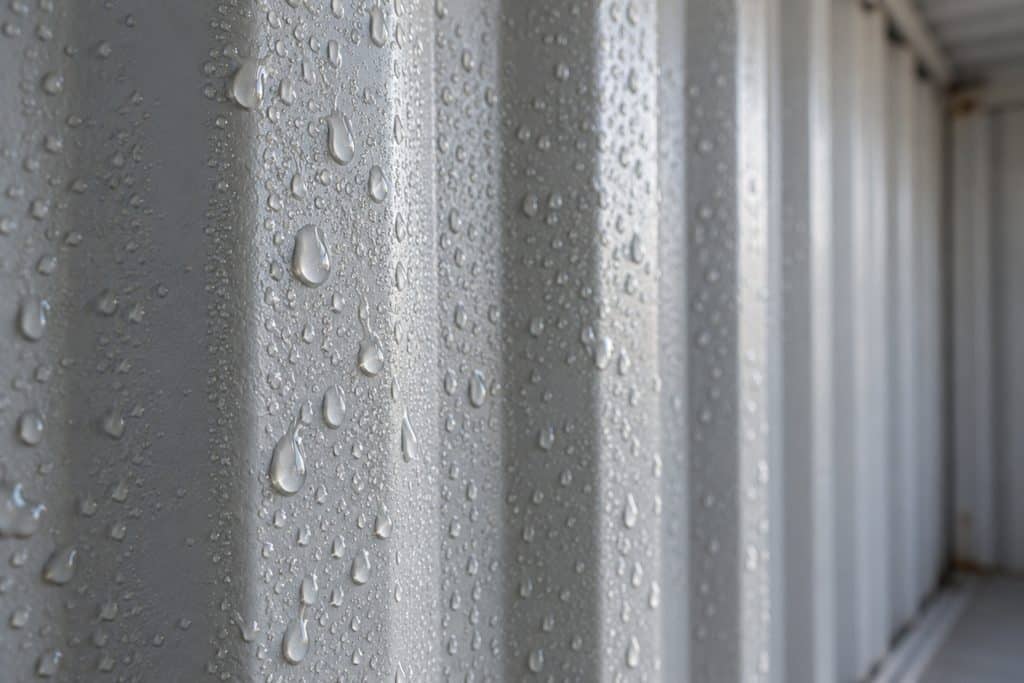
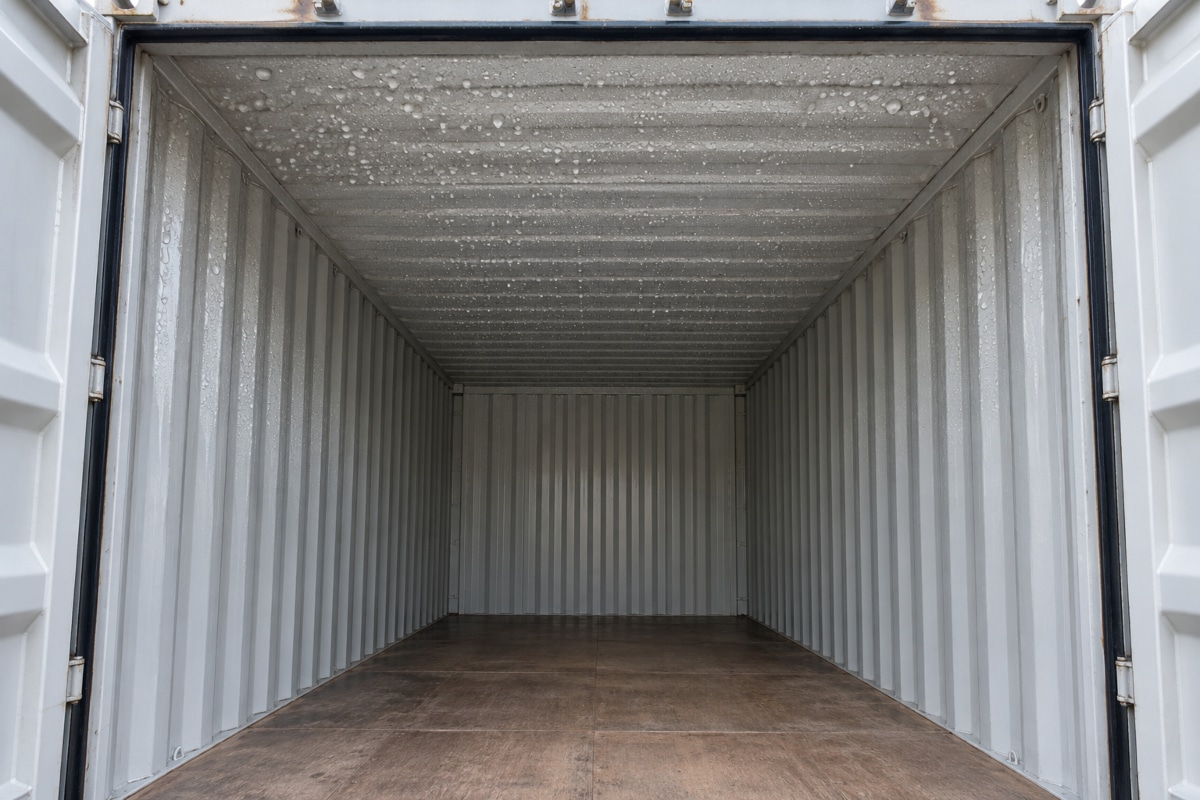
Condensation can become a problem when the temperature inside a shipping container changes. The steel roof and walls get cold as the weather cools down, and when warm, moist air comes into contact with the metal, it turns into water droplets. Over time, this moisture can build up inside the container, even when there’s no obvious leak.
This is often called ‘container rain.’ Droplets may run down the walls or drip from the ceiling onto stored belongings.
Multiple factors can contribute to moisture in shipping containers:
- Temperature changes: Warm days followed by cooler nights can encourage condensation.
- Damp belongings: Wet furniture, clothing, bedding and timber can release moisture into the air.
- Limited airflow: Poor air circulation can allow humid air to linger.
- Humid weather: Moist outdoor conditions can make humidity harder to manage.
- Overpacking: Closely packed items restrict airflow and make damp areas harder to spot.
It’s important to distinguish condensation from a leak. A watertight container helps prevent rain from entering through the roof, walls and door seals, but it cannot guarantee that condensation won’t form inside.
A wet ceiling doesn’t always mean your container has a leak. If you spot water after heavy rain, check the roof, door seals and corners for gaps or damage. But if you notice droplets forming on the ceiling during cold weather, condensation is more likely to be the culprit. Working out where the moisture is coming from is the first step towards fixing the problem.
How to Stop Condensation in Shipping Containers
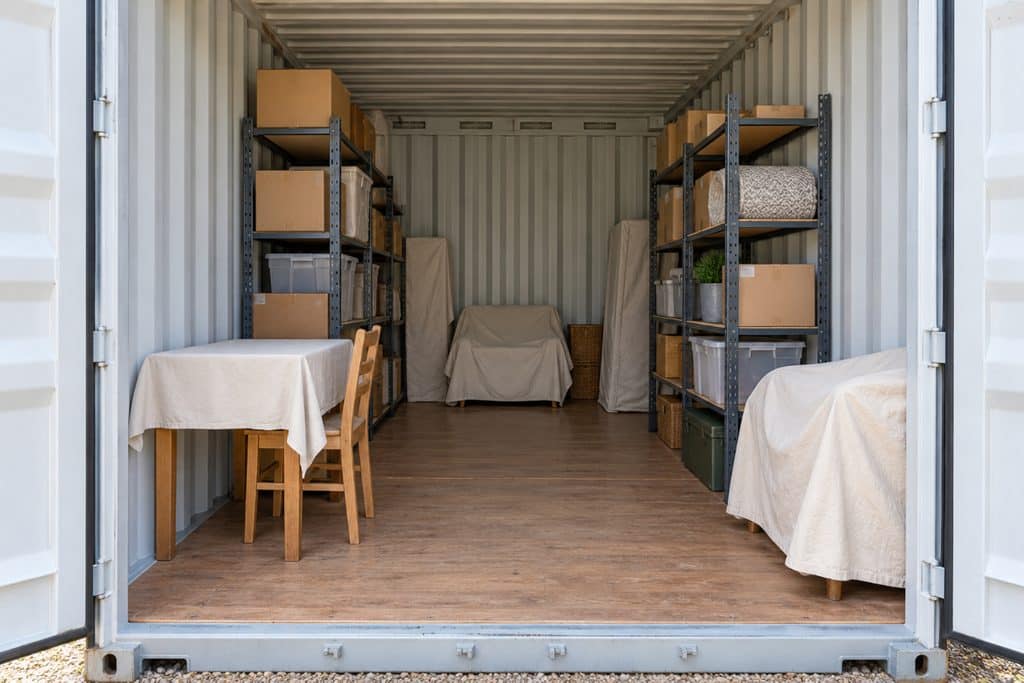
The best approach to shipping container moisture control is to reduce excess moisture and manage the conditions that allow it to collect. No single measure guarantees a completely dry container, but these steps can help minimise condensation in shipping containers.
Make Sure Everything Is Dry Before Storage
- Before putting anything into your shipping container, make sure it’s dry. It’s easy to overlook a bit of moisture on furniture, damp clothing or wet outdoor gear, but once everything is packed away, that moisture has nowhere to go. Give your belongings a quick check before loading, especially after rain or if they’ve been stored outside.
- Allow cleaned furniture and washed fabrics to dry thoroughly. Avoid storing wet towels, damp cushions or recently used outdoor equipment.
- Cardboard boxes can absorb moisture, too. Use clean, dry boxes and avoid placing them directly on surfaces that may become damp. For valuable or moisture-sensitive items, consider suitable protective packaging.
Leave Room for Airflow
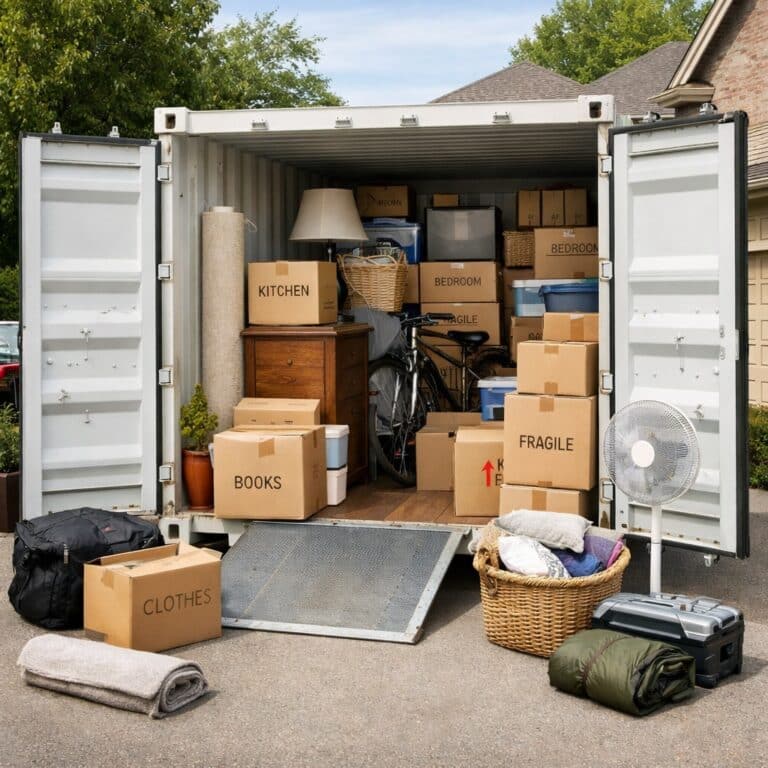
- Packing a container tightly may seem like the best way to maximise space, but it can restrict airflow.
- Where practical, leave small gaps between furniture, boxes and the container walls. Avoid pressing mattresses, sofas and other large items directly against steel surfaces.
- The aim is to avoid completely blocking airflow and make it easier to inspect your belongings. Plan your layout so you can access stored items without unpacking everything. Our guide on how to pack a storage unit safely and efficiently can give you some practical packing tips.
Keep Belongings Off the Floor
- If you’re storing items in your container for a while, it’s worth getting them up off the floor. A few sturdy pallets or shelves can do the job, leaving space underneath for air to move and keeping your belongings away from moisture that may settle on the floor.
- Check that your shelving or pallets can handle the weight, and make sure everything is secure before loading. Cardboard boxes, clothing and other fabrics are best kept away from surfaces that could become damp.
- Lifting items off the floor won’t stop condensation from forming on the roof or walls, but it can help protect your belongings from moisture and reduce the chance of damage.
Look for Moisture Regularly
- Keeping the doors shut doesn’t always mean everything inside your container will stay dry. Condensation can still build up, particularly when the weather is humid or temperatures change overnight. It’s worth checking inside from time to time for damp patches, water droplets or musty smells so you can catch any issues before they affect your stored items.
- Look for ceiling droplets, damp patches, musty smells, soft cardboard or visible mould. Check behind furniture and around boxes, where moisture may be less obvious.
- If you find dampness, dry affected items and investigate the cause. Look for leaks, improve airflow where possible and consider additional moisture-control measures if the problem continues.
Shipping Container Ventilation: What Can It Do?
Shipping container ventilation can help move air through the container, allowing humid indoor air to escape when outside conditions are suitable. However, ventilation is only one part of preventing condensation.
How to Ventilate a Shipping Container
Check whether your container has existing vents and keep them clear of boxes and furniture. If you own the container, professionally installed vents may improve airflow, provided they’re designed to maintain weather protection.
If you’re hiring a container, talk to your supplier before making changes. Cutting holes or installing additional vents could affect weatherproofing or breach your hire agreement.
Do Shipping Containers Need Ventilation?
Adding vents to a shipping container can help with airflow, but it doesn’t guarantee you’ll avoid condensation. When the weather is warm and humid, or it’s been raining, outside air can bring extra moisture into the container. Standard vents may also struggle to provide enough airflow to stop moisture from settling on cold steel walls and the roof.
Combine ventilation with dry-loading practices, sensible packing, and consistent inspections. If you’re unsure how to ventilate a shipping container, ask your supplier about the existing ventilation and suitable options.
Desiccants, Dehumidifiers and Insulation: Which Helps?
If basic precautions aren’t enough, consider additional moisture-control methods. Each has different benefits and limitations.
Shipping Container Desiccants & Shipping Container Moisture Control
A desiccant works by drawing moisture out of the air inside your shipping container. You can buy products made specifically for containers, as well as smaller absorbers designed for cupboards and enclosed spaces. The main thing to keep in mind is that each product can only absorb a certain amount of moisture, so a smaller unit may not be enough for a large container.
Moisture absorbers can help, but a small one may not do much in a large shipping container, especially if condensation keeps coming back. They won’t dry out wet furniture or solve the problem if water is getting in through a leak. Choose an absorber that suits the size of your container, and check it regularly to see when it needs replacing or refilling.
Is a Dehumidifier for a Shipping Container Worth It?
A dehumidifier takes moisture from the air and may help where electricity is available and humidity needs more active control. Consider the unit’s capacity, operating conditions, power supply, and how it will empty or drain collected water. A household unit may not suit every container or outdoor environment.
If you’re hiring a container, check with your supplier before installing electrical equipment.
Does Insulation Stop Condensation in Shipping Containers?
Insulation can reduce condensation by helping keep internal surfaces warmer. However, the results depend on the insulation system and how it’s installed. Poorly installed insulation can trap moist air against cold steel, letting condensation form out of sight. Effective insulation may call for careful attention to sealed joints and moisture barriers.
For general storage, keep belongings dry, allow suitable airflow, and monitor for dampness. Insulation is a more involved consideration for containers converted into workspaces or other enclosed environments.
Before You Put Belongings into Storage
Before loading your container, run through this simple checklist:
- Make sure furniture, fabrics, tools and boxes are completely dry.
- Check that the container is clean and its doors and seals appear intact.
- Keep vents clear and avoid packing items tightly against the walls.
- Raise suitable belongings off the floor using stable supports.
- Consider a moisture absorber appropriate for your storage conditions.
- Inspect the container regularly.
- Ask the container owner before installing vents, insulation or electrical equipment.
Also choose a storage option that suits your needs. Gold Coast Containers offers containers delivered directly to your property, off-site storage at its Tweed Heads facility, and containers for sale.
If you’re storing furniture during a move or renovation, read our guide on how to store furniture in a shipping container for more practical advice.
Frequently Asked Questions: Shipping Container Condensation
1. How do I stop condensation in a shipping container quickly?
If you find moisture inside your container, start by removing any wet items and drying out anything that’s been affected. Check the roof and door seals for leaks, and look at ways to improve airflow inside. A moisture absorber may also help, but if the condensation keeps coming back, it’s worth finding out what’s causing it rather than relying on one solution.
2. Is container rain the same as a roof leak?
Not necessarily. What’s often called container rain happens when moisture in the air collects on the cold steel roof and drips back down onto your belongings. A leak is different, as water gets in from outside through a damaged roof or faulty door seals. Both can leave your stored items wet, so it’s worth checking where the water is coming from before deciding how to fix it.
3. Can I leave the container doors open to prevent condensation?
Opening the doors may help air circulate when conditions outside are dry, but it isn’t a reliable long-term solution. Humid air, rain and security concerns can make leaving doors open unsuitable. Focus on keeping belongings dry and maintaining suitable airflow.
4. How often should I look for moisture in my shipping containers?
Inspect your container regularly, particularly during humid weather or when storing belongings for several months. Look for droplets, damp packaging and musty smells. If moisture keeps returning, seek advice about the container’s condition and appropriate moisture-control options.
Keep Your Stored Belongings Protected
Keeping condensation under control comes down to understanding where the moisture is coming from. Checking for leaks is just as important as managing humidity inside the container. Make sure your belongings are dry before storing them, leave room for airflow, and check the container regularly. These simple steps can go a long way towards keeping your items dry and reducing the risk of moisture damage.
If you need extra storage for a move, renovation or business, Gold Coast Containers can help you explore a suitable container option. Visit our storage container size guide to compare your options, or contact our team to discuss your storage needs.