We’ve all been there: kitchen cupboards overflowing with a jumble of microwave containers, closets close to bursting thanks to those old jeans you don’t wear anymore, not to mention that hallway cupboard full of old stationery and other random bits and bobs. If you’re feeling overwhelmed by clutter in your house, you’re not alone—a recent Princeton University study has shown that clutter really does impact our stress levels.
Decluttering your home can feel like an overwhelming task, but it doesn’t have to be. To help you get started we’ve pulled together this complete guide to decluttering your home. Below we cover everything you need to successfully declutter your home, including how to declutter your home in five simple steps, and a handy declutter your home checklist.
Declutter your home – five simple steps
Here are five simple steps to make decluttering your home a breeze.
1. Make a plan
No matter how small or large the task, decluttering the home always leaves things looking messier before they’re tidy again. To make things easier on yourself, start with a basic plan for what you want to tidy:
- Decide which room or cupboard you want to tackle first
- Estimate how long it’ll take so you can set the right amount of time aside
- Clean the space around the closet or room you’re tidying to ensure you have room to pile up your items and
- Think about where you want to store items once they’re tidied.
2. Gather your equipment
You don’t need much to declutter your home, but we do recommend the following:
- Garbage bags/old boxes for throwing items away or donating them
- Basic cleaning supplies so you can clean your shelves or cupboards once they’re empty
- Storage solutions like drawer dividers or small boxes to keep things tidy when you return items to their proper place
3. Sort your belongings
Once you’ve pulled everything out, go through each item and place it in one of the following piles:
- Keep – items that are still in date, you use often, have sentimental value etc. Avoid putting items in the keep pile just to hang on to them for a rainy day.
- Gift/sell – good quality items you don’t want anymore but could give a friend or a family member or items you’d like to sell online.
- Donate – items in a good, clean condition that you could take to your local op-shop.
- Throw out – broken or expired items you won’t use anymore that can’t be passed on to someone else.
If you place lots of items in the keep pile because you’re not ready to part with them yet, that’s ok. Keep those items separate from the ones you’re sure you want to keep and give yourself a set period to decide whether to keep them. If you don’t find yourself gravitating towards them after a day or a week, it can be a good sign that it’s time to let them go.
4. Clean your storage areas
Decluttering your home is a great time to give your cupboards a quick spring clean, especially after you’ve gone to all the effort of taking items off the shelves. Before re-packing your items, dust/wipe down shelves and cupboards. Also, give your items a quick clean.
5. Re-pack your items
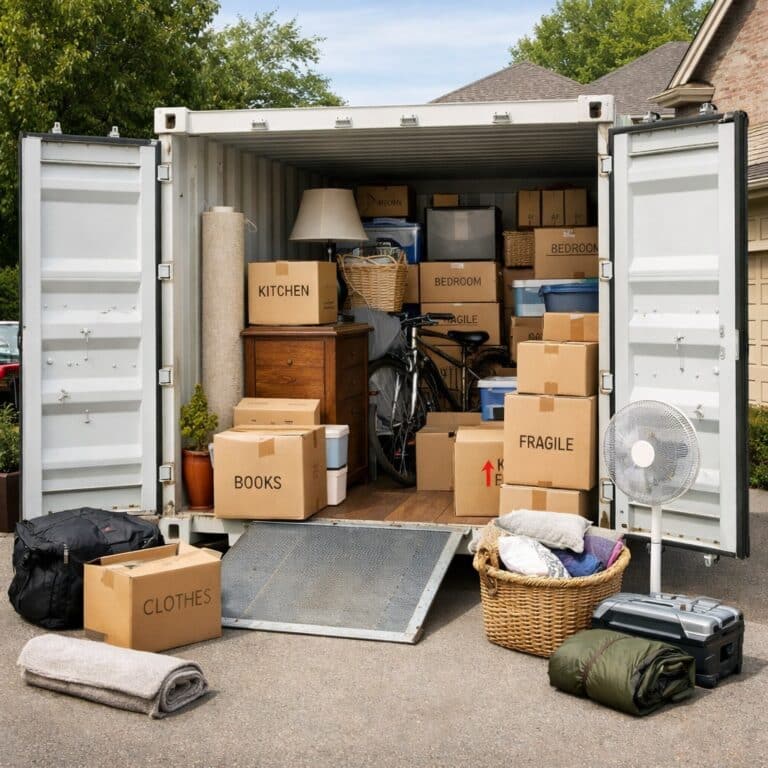
Resist the temptation to pile everything back into the same spot now that you’ve got more room to work with! Think about the best place to store your items. For example, if you don’t use them much store them in a hard-to-reach cupboard or move them into the garage. If you’re thinking of keeping furniture but don’t plan on using it often, it can also be good to consider how to store furniture in a shipping container.
Once you’ve decided where to put your items, think about the best way to store them so they fit neatly in the space. Using drawer dividers or small boxes is a great way to keep everything compartmentalised which helps keep things neater.
How to declutter your home – A checklist
If you need some inspiration to get started on your decluttering home journey, here’s our go-to declutter your home checklist by room:
Bedroom
Make your bed so you have space to sort clothes
- Wardrobe – take everything out and sort your clothes and shoes into ‘keep, donate, gift/sell, throw out’ piles. For items you want to keep, either hang them up/fold them neatly or store off-season clothes in vacuum-sealed bags/plastic boxes
- Bedside table/dressers – clear everything off the surface first, then go through each drawer to remove non-essential items. Use small containers/bags or a jewellery box to help stop jewellery from getting tangled
- Under the bed – to save space, store clothes/shoes and other items you don’t need in the wardrobe under the bed.
Bathroom
- Throw out old items like medicine, old makeup and bath products
- Clean everything while your drawers are empty
- Invest in storage solutions to keep everything neat and clean, e.g. store makeup in packing cells rather than loosely in the drawer; use toothbrush holders to keep the counter less cluttered.
Kitchen
Prepare three bags/boxes before you start: a bin bag, a recycling box and a compost box, so you can quickly throw old or expired food and packaging away as you go.
- Get comfortable – Kneeling on tiles or bending over is never comfortable. If you need, grab a cushion or gardening pad to kneel or sit on while you sort your cupboards.
- Start with your pantry cupboards – Work front to back, checking the expiry date on items as you go. Put items you want to keep in a pile on the floor or on the benchtop and throw the rest into the relevant box or bag.
- Cull containers and unused pots, pans, baking equipment and crockery – Throw away old takeaway containers, containers without lids or containers that are flaking plastic. Think about which other kitchen items you don’t use and consider donating those to an op-shop or giving them to a friend. For example, it can be great to store excess glassware in boxes—to read more, check out our handy guide on How To Pack Glasses For Moving.
- Maximise bench space – If you have room in your cupboards, store appliances you don’t use often in them. Also store as many utensils and food items as possible in drawers and cupboards.
Decluttering your home – our top tips
Have fun with it – blast some music or listen to a podcast to help get through the work. If you’ve got a lot to declutter, enlist the help of a friend or family member and offer to buy them dinner or repay the favour.
- Donate, gift or sell as much as possible – It’s never nice to feel like you’re throwing away perfectly good items, so try and keep as much out of landfill as possible. It’s environmentally friendly, but it’ll also make you feel better.
- Organise the items you’re keeping – Keeping things tidy in shelves and cupboards is the best way to prevent clutter piling up in the first place!
- Use self-storage – Self-storage is a great option for items you want to hold onto but don’t need to use everyday, especially if you don’t have a garage to put them in. To find out more about self-storage, check out our article on Who Uses Storage Units & What Can They Store?
Decluttering home for good!
To help keep your house clutter-free, contact our friendly team at Gold Coast Containers today by giving us a call on 0422 294 313 or filling out our contact form.
References
- Larkin E, Sabella M (19 December 2024) ‘How to Declutter Your Home: 6 Best Room-by-Room Methods’, The Spruce blog, accessed 31 January 2025.
- Beckwith A, Parkhurst E (1 July 2022) ‘The Mental Benefits of Decluttering’, Utah State University website, accessed 31 January 2025.